

A staggering 88% of online consumers are less likely to return to a site after a bad experience. If you are ignoring the signs your website is losing you clients, your business is likely bleeding revenue every day. The top signs your website is losing you clients include slow load speeds, outdated design, confusing navigation, lack of mobile optimization, and low conversion rates. If your site exhibits these issues, it is actively driving potential customers to competitors.
Key Takeaways
- Slow load speeds directly cause high bounce rates and lost sales.
- An outdated design makes your business look untrustworthy.
- Confusing navigation prevents visitors from finding your services.
- Poor mobile optimization alienates the majority of web traffic.
- Low conversion rates indicate your site isn’t guiding visitors to act.
- Regular audits are essential to stop losing customers.
- Professional web development can fix these revenue leaks.
How Do I Know If My Website Is Losing Customers?
You know your website is losing customers if you see a high bounce rate, low time on page, and declining conversion rates despite steady traffic. These metrics indicate that visitors arrive but leave without taking action. When a website losing customers occurs, the reasons website losing them often stem from poor user experience or technical failures. Many businesses fail to track these metrics, letting revenue slip away unnoticed. Check your analytics to see if people are leaving shortly after arriving.
What Makes People Leave a Website Without Buying?
People leave a website without buying because of friction in the user experience, such as slow loading, intrusive pop-ups, or unclear value propositions. If your website copywriting business lacks clarity, visitors won’t understand your offer. You confuse amp overwhelm users when you present too many options at once. To keep people on your site, you must guide visitors with a clear, singular call to action. Don’t let a cluttered layout be the reason they abandon their cart.
Signs Your Website Needs a Redesign
Clear signs your website needs a redesign include an outdated layout, non-responsive mobile behavior, and declining organic traffic. When your website looks outdated, modern consumers perceive your brand as less credible. A website redesign is necessary when your current site no longer reflects your services or fails to rank on Google. Signs time redesign efforts are crucial; waiting too long means losing customers. Davies Designs Studio notes that a fresh design can drastically improve trust and conversions. If your site looks like it belongs in the past, it is time for an update.
How to Tell If Your Website Is Costing You Sales
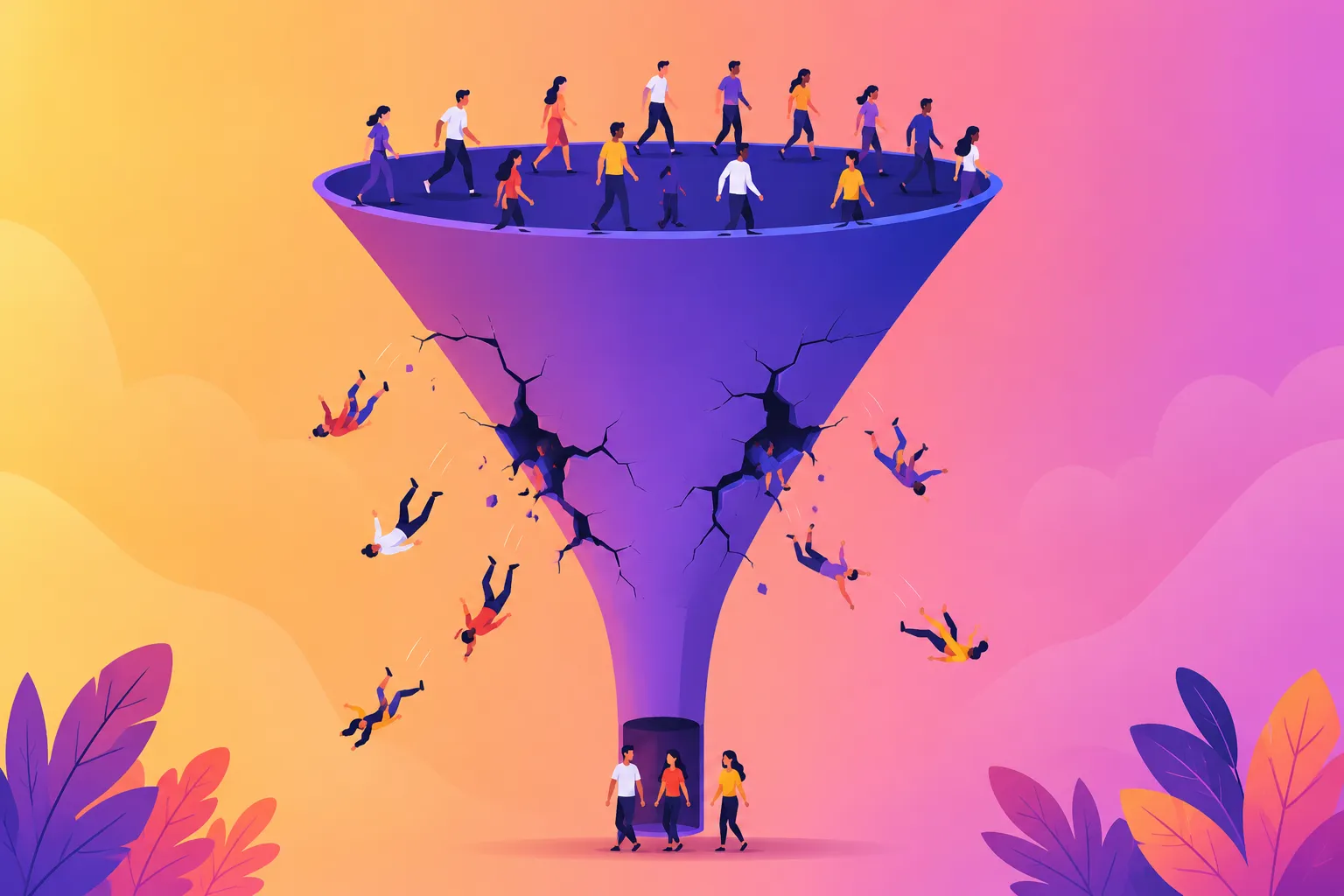
You can tell your website is costing you sales if your traffic remains steady but conversions drop, indicating a friction point in your sales funnel. A website costing customers signs time is a serious issue. You might notice cart abandonment rates climbing or contact form submissions dropping. This means your site is actively repelling buyers. If you don’t connect the dots between your marketing efforts and your site’s performance, you are losing money. Track your conversion path to find exactly where potential customers drop off.
Common Website Mistakes That Drive Customers Away
Common website mistakes that drive customers away include using generic stock photos, burying contact information, and publishing thin content. Every business makes the mistake of focusing too much on themselves rather than the customer’s needs. A lack of clear contact info, makes people question your legitimacy. Avoid these pitfalls to ensure your site builds trust rather than destroying it.
- Ignoring Mobile Users: Over half of web traffic is mobile; a non-responsive site drives them away.
- Slow Speed: A delay of just a few seconds increases bounce rates dramatically.
- Poor Readability: Large blocks of text without headers overwhelm readers.
- Missing Social Proof: Without reviews or testimonials, new visitors won’t trust you.
What Website Features Make Visitors Bounce?
Features that make visitors bounce include auto-playing audio, intrusive interstitials, and broken links. These elements disrupt the user experience and force people to exit. If your site features too many pop-ups, visitors will leave before they even see your content. Ensure your site has clear navigation and fast loading media. When you confuse amp overwhelm users with bad features, they leave. Keep your design clean and functional to retain visitors.
How to Fix a Website That’s Not Converting
To fix a website that’s not converting, streamline your call-to-action, improve page speed, and simplify the checkout or contact process. A website often first needs a clear value proposition above the fold. If your copywriting business copywriting is weak, hire a professional to refine the messaging. You can also implement A/B testing to see which layouts perform best. Help your visitors by making the next step obvious and easy to complete.
Is My Website Slow or Outdated?
Your website is slow or outdated if it takes longer than three seconds to load or features design elements from a decade ago. Google considers speed a ranking factor, so a slow site hurts both user experience and SEO. An outdated site often fails modern web development standards. Use tools like Google PageSpeed Insights to test your load times. If your site is slow, compress images and minify code to speed it up.
Website Red Flags That Hurt Your Business
Website red flags that hurt your business include lack of SSL certification, missing meta descriptions, and no clear branding. These issues signal to both users and search engines that your site is not trustworthy. A signs website audit should look for these red flags immediately. If your site lacks basic security, customers will not share their payment information. Every red flag you ignore is a step closer to losing your audience.
How to Audit Your Website for Lost Revenue
To audit your website for lost revenue, review your Google Analytics for high-exit pages, broken links, and funnel drop-offs. Look at the customer journey to see where people abandon the process. A thorough audit will reveal why your website is losing customers. Check for outdated content, broken images, and missing links. Fixing these issues can recover lost revenue almost instantly.
What Do Customers Hate About Websites?

Customers hate websites that are difficult to navigate, slow to load, and lack clear contact information. They also despise intrusive pop-ups and irrelevant content. If you want to keep people on your site, focus on providing a seamless experience. Don’t annoy your visitors with excessive ads or auto-playing media. Make it easy for them to find what they need.
Can a Bad Website Actually Lose You Money?
Yes, a bad website can actually lose you money by driving potential customers directly to your competitors. A poorly designed site acts as a barrier to sales. If your site is hard to use, visitors will simply find another business that is easier to buy from. The revenue lost from a bad site often exceeds the cost of a redesign. Investing in a better site is investing in your business’s future.
How Often Should You Check If Your Website Is Working?
You should check if your website is working at least once a month, with a comprehensive audit every six months. Regular monitoring ensures that broken links, slow pages, or outdated information don’t linger. In 2026, website standards evolve rapidly. Set a recurring schedule to review your site’s performance metrics. This proactive approach prevents minor issues from becoming major revenue leaks.
FAQ
What are common website red flags?
Common website red flags include slow loading speeds, non-responsive mobile layouts, broken links, and lack of SSL security. Other red flags are outdated design elements, poor navigation, and missing contact information. These issues signal to visitors that a business may be untrustworthy or unprofessional, causing them to leave without converting.
What are the 7 C’s of a website?
The 7 C’s of a website are context, content, community, customization, communication, connection, and commerce. These elements work together to create a comprehensive user experience. Context ensures the design fits the audience, while content provides value. Community and communication foster engagement, and commerce enables transactions smoothly.
How to get 1000 visitors a day to your website?
To get 1000 visitors a day to your website, combine SEO, content marketing, and social media promotion. Publish high-quality, keyword-optimized content regularly to rank on search engines. Share your posts across social platforms to drive referral traffic. Additionally, invest in email marketing and consider paid advertising to boost initial visibility and attract a broader audience.
What are the warning signs of a business failing?
Warning signs of a business failing include consistently declining revenue, high customer churn, and negative cash flow. Other indicators are inability to adapt to market changes, poor online presence, and low employee morale. If a business ignores customer feedback and sees dropping sales alongside a high bounce rate on its website, immediate intervention is required.
Conclusion
If you recognize these signs your website is losing you clients, it is time to take action. A failing website doesn’t just sit there; it actively costs you revenue and damages your brand. Start by auditing your site’s speed, navigation, and mobile responsiveness. Update your content and ensure your design meets 2026 standards. For businesses that need help, partnering with a professional web development agency can turn a leaking site into a conversion engine. Don’t let an outdated site hold your business back.